Navigating Staircase Restoration in Listed Buildings: Adhering to UK Regulations
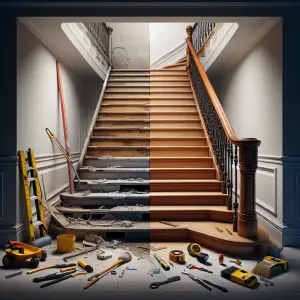
Restoring staircases in listed buildings in the UK is an undertaking that demands a fine balance of artistry, historical sensitivity, and scrupulous adherence to regulations. These protective measures ensure the preservation of the architectural and historic essence of these storied structures. In this article, we explore the intricacies of staircase restoration in listed buildings, providing insights into regulations, conservation principles, and the role of experts like Simons Staircase & Furniture Restoration.
Understanding Listed Buildings
Listed buildings are legally protected due to their architectural, historic, or cultural importance. They are classified into three grades:
- Grade I: Buildings of exceptional interest, often requiring the highest level of protection.
- Grade II: Significant buildings of more than special interest.
- Grade II: Recognised for their special interest, warranting preservation.
These classifications safeguard the unique character and historical narratives embedded within these buildings.
Listed Building Consent
Embarking on any restoration for a staircase within these buildings necessitates obtaining Listed Building Consent (LBC). This consent is vital to ensure that any proposed work respects the historical and architectural essence of the building.
- When is LBC Required?
- Internal changes, such as reconfiguration of the staircase layout.
- External alterations, such as replacing balusters or handrails.
- What Does LBC Entail?
- A comprehensive proposal detailing the nature and scope of the work.
- Ensure that the work aligns with conservation principles.
Conservation Principles
Central to staircase restoration is the principle of minimal intervention. This means preserving as much of the original material and design as possible.
- Traditional Materials and Techniques: Use authentic materials and methodologies, adhering to guidance from English Heritage.
- Aesthetic and Historical Integrity: Ensure compatibility of any new components with existing ones.
Assessing Heritage Significance
Understanding the heritage value of a staircase is imperative in guiding restoration decisions. This involves evaluating:
- Evidential Value: The information the staircase provides about the past.
- Historical Value: Its connections with past people or events.
- Aesthetic Value: Its contribution to the overall design of the building.
- Communal Value: Its social or spiritual significance to communities.
This multi-dimensional assessment helps pinpoint the essential elements worthy of conservation.
Building Regulations and Safety
Restoration must balance compliance with modern safety standards and preserving historical features:
- Building Regulations: These can often be adapted to maintain architectural integrity.
- Safety Measures: Install subtle features like additional handrails without affecting historic aesthetics.
Working with Experts
Given the intricacy of the task, collaborating with skilled professionals is crucial. Conservation Accredited Engineers, like the team at Simons Staircase & Furniture Restoration, offer:
- Regulatory Compliance: Ensure all work meets the necessary building codes.
- Cost-effective Solutions: Use sympathetic materials and techniques to minimise expenses.
- Expert Insights: Guide the project in maintaining historical authenticity.
Risk Assessments and Record Keeping
Conducting detailed risk assessments and keeping precise records is essential:
- Risk Assessments: Anticipate potential structural or safety issues during restoration.
- Documentation: Maintain written, photographic, and drawn records, especially if substantial changes occur.
Practical Considerations
Proper plans must be laid for both internal and external alterations, including the essential maintenance and repair of the staircase:
- Internal Alterations: These require LBC, even for minor modifications like repainting.
- External and Structural Changes: Ensure materials and colours match original specifications.
- Maintenance and Repairs: Regular upkeep to prevent extensive repairs and preserve function.
Simons Staircase & Furniture Restoration
For those navigating the restoration process, the expertise of Simons Staircase & Furniture Restoration proves invaluable. This company is adept at employing traditional materials and techniques while ensuring compliance with relevant regulations. Their approach ensures minimal intervention, helping maintain the authenticity and integrity of historic staircases.

Specifications Table
Here’s a snapshot of considerations during the restoration process:
| Specification | Details |
|---|---|
| Minimum Intervention | Retain maximum original material |
| Traditional Materials | Wood, iron, and stone as per the original design |
| Compliance Requirements | Mandatory LBC & adjustment to modern safety codes |
| Expert Involvement | Conservation Accredited Engineers |
| Documentation | Detailed written, photographic, and graphic records |
| Heritage Value | Assessment of evidential, historical, aesthetic, and communal value |
FAQs
What is the significance of restoring staircases in listed buildings?
Restoring staircases in listed buildings preserves their historical and architectural value, ensuring that these markers of cultural heritage are passed down to future generations, all while maintaining functionality and safety.
How does Listed Building Consent impact restoration projects?
It ensures that all work complies with conservation principles, preserving the building’s historical character by regulating changes. Failure to obtain LBC can lead to legal repercussions and potential damage to the building’s integrity.
Why choose specialists like Simons Staircase & Furniture Restoration for such projects?
Their deep knowledge of conservation principles, access to traditional materials, and ability to navigate complex regulations ensure that restorations meet high historical standards while respecting the building’s original design philosophy.
Restoring staircases in listed buildings in the UK is a multidimensional task requiring historical insight, technical skill, and regulatory compliance. Through minimal intervention and the use of traditional approaches, professionals like Simons Staircase & Furniture Restoration preserve the narrative and integrity of these structures.
With careful planning, expertise, and an appreciation for heritage significance, these esteemed structures can continue to be celebrated for generations to come, bridging the past with the present.